


Let’s have a conversation about a tax plan that could actually solve the debt, and fund our programs, going past the platitudes and campaign slogans.
We won’t just be saying “tax the rich” we want to talk numbers, and for this to be a real conversation, it includes some tough talks.
This starts with your taxes.
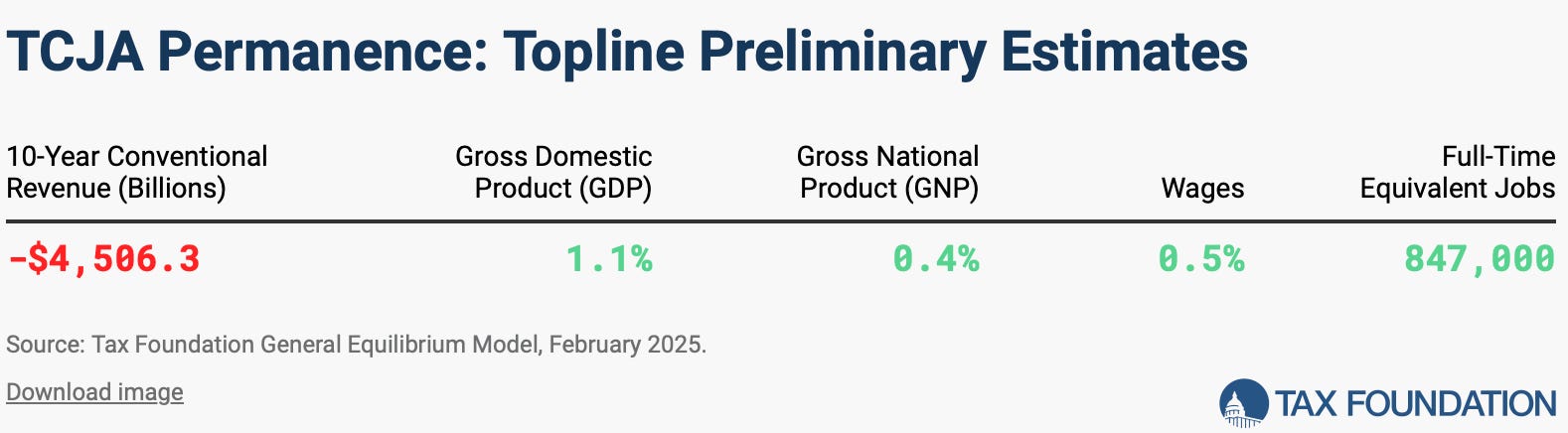
Per Tax Foundation, making the TCJA permanent in the One Big Beautiful Bill cost the federal government 4.5 trillion in revenue over the next ten years, or $450 billion a year roughly.
This breaks down by federal tax revenue making up $3.6 trillion, the expiring estate tax provisions making up $240 billion, and the business provisions by nearly $648 billion.
Adding in interest costs, the Tax Foundation estimates this equates to $5.4 trillion in total revenue from 2025-2034. On top of this is the new cuts in the One Big Beautiful Bill, which are estimated to cost $1 trillion the next 10 years, or $100 billion in revenue yearly.
Jumping back further to the Bush era tax cuts, these were first enacted in 2001, renewed in 2003, then further renewed in 2010 and made permanent in 2012.
A CBO analysis of Obama’s official budget showed this, along with his AMT hikes would cost $3 trillion in revenue over the next 10 years, or $300 billion a year.
I know this is a lot of math, but stick with me we are going somewhere important with this.
In 2026 the corporate tax rate is 21%, in this fiscal year it amounts to roughly $404 billion dollars according to the CBO analysis of the federal budget. CBO also estimates the revenue effect of increasing this by a single point, which is about $12.7 billion in additional annual revenue.
If we times this by 18, to represent a 39% corporate tax(21% currently to 39%), this is another $228 billion in annual revenue, though if you’re less ambitious a return to the Clinton era 35% tax rate would amount to $178 billion more each year.
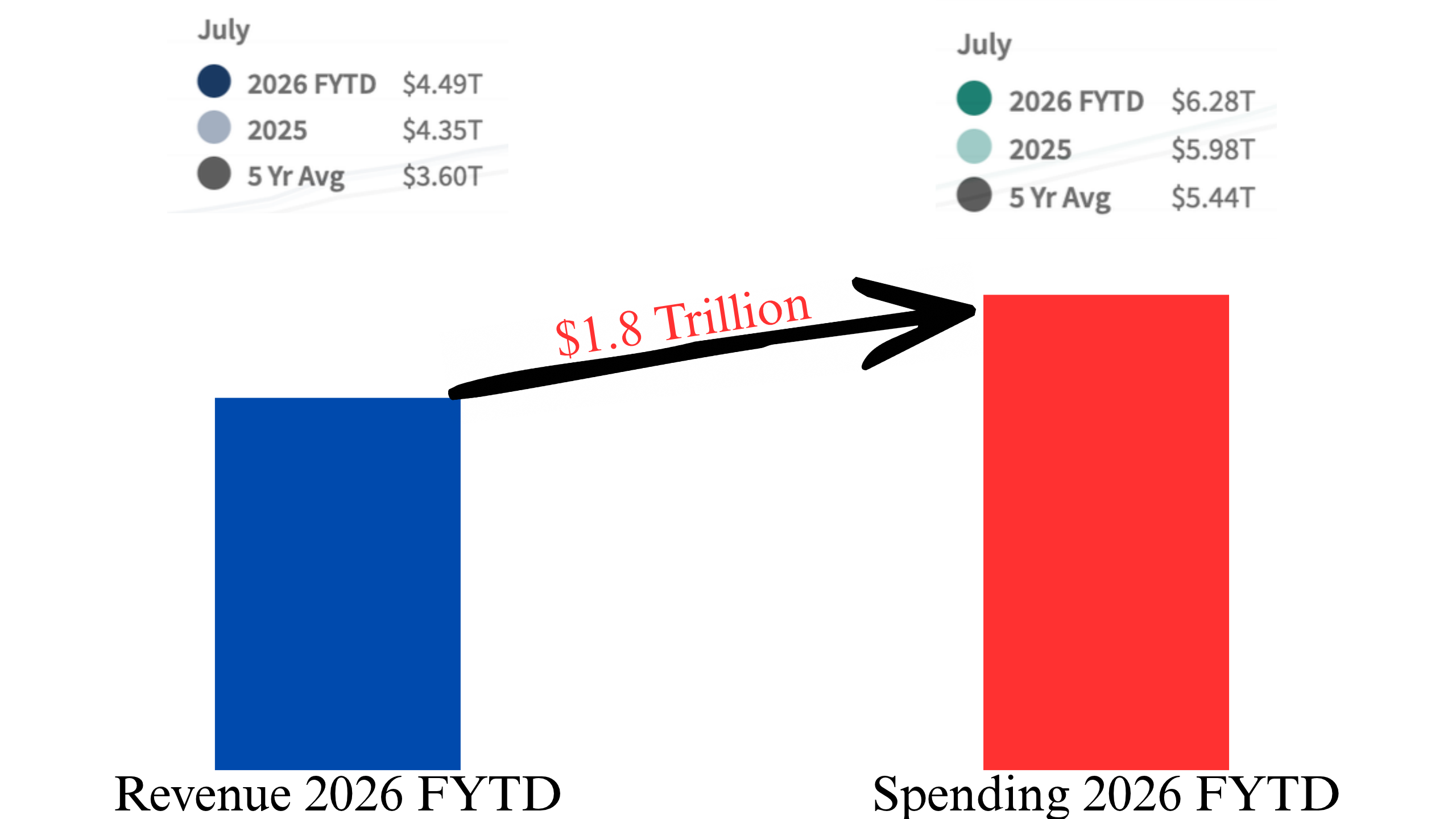
The current difference in government revenue, and government spending is $1.8 trillion dollars, this is a deficit, which is why our debt grows each year. We have a revenue problem, not a spending one.
So to tie in the purpose of our earlier math, repealing the Trump era tax cuts, and the Bush era tax cuts while returning to the Clinton era corporate tax would increase our revenue $1.028 trillion dollars.
If we went with my more ambitious 39% corporate tax as opposed to Clinton’s 35% this would be $1.078 trillion. This would leave us with a gap between $772-$722 billion to close up that deficit, while keeping all of our current spending.
In light of transparency, the Bush era tax cuts netted the average family an additional $1000 back in taxes, while the Trump tax cuts gave you back a little over $1000 on average, for the average US salary you could call it $1500.
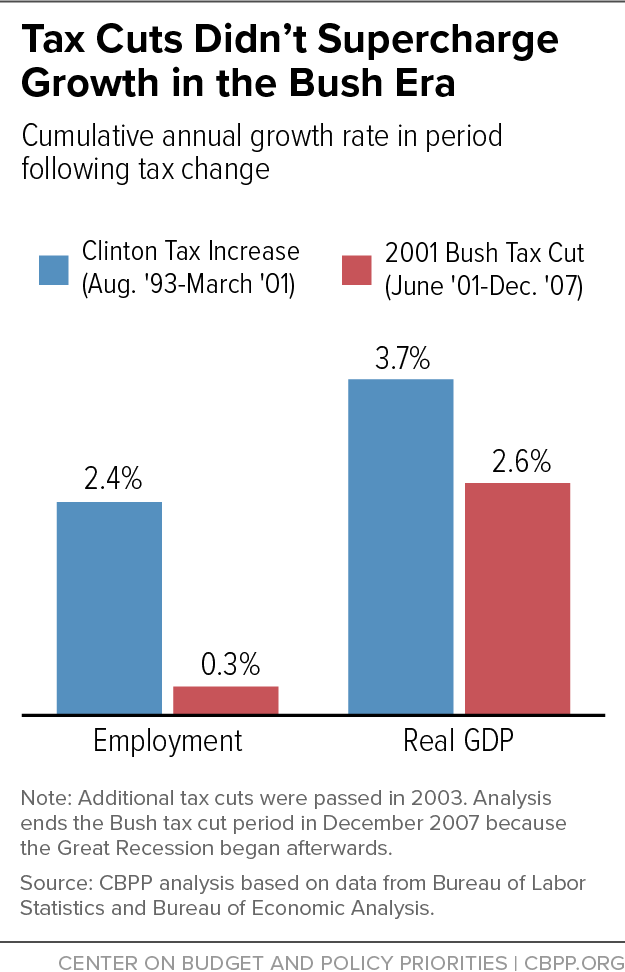
Obviously, this is more than just crumbs for the working class. Therefore I think before we theorize on ways to close the gap remaining, we should discuss ways to mitigate these pains.
Joe Biden expanded the Child Tax Credit to $3000, or $3600 for those with a child under 6. This cut child poverty in half, and was available in monthly payments. Making this permanent would cost only $1.6 trillion over 10 years, or $160 billion a year.
Another Biden policy in the American Rescue Plan was expanding the Earned Income Tax Credit for childless workers, this would net them roughly an additional $1000 in money back, while costing only $140 billion over 10 years, or $14 billion a year.
Both of these programs were set to phase out for higher income workers, and could return the average worker an additional $2000 in taxes. If we take them both on, the deficit becomes between $946-$896 billion.
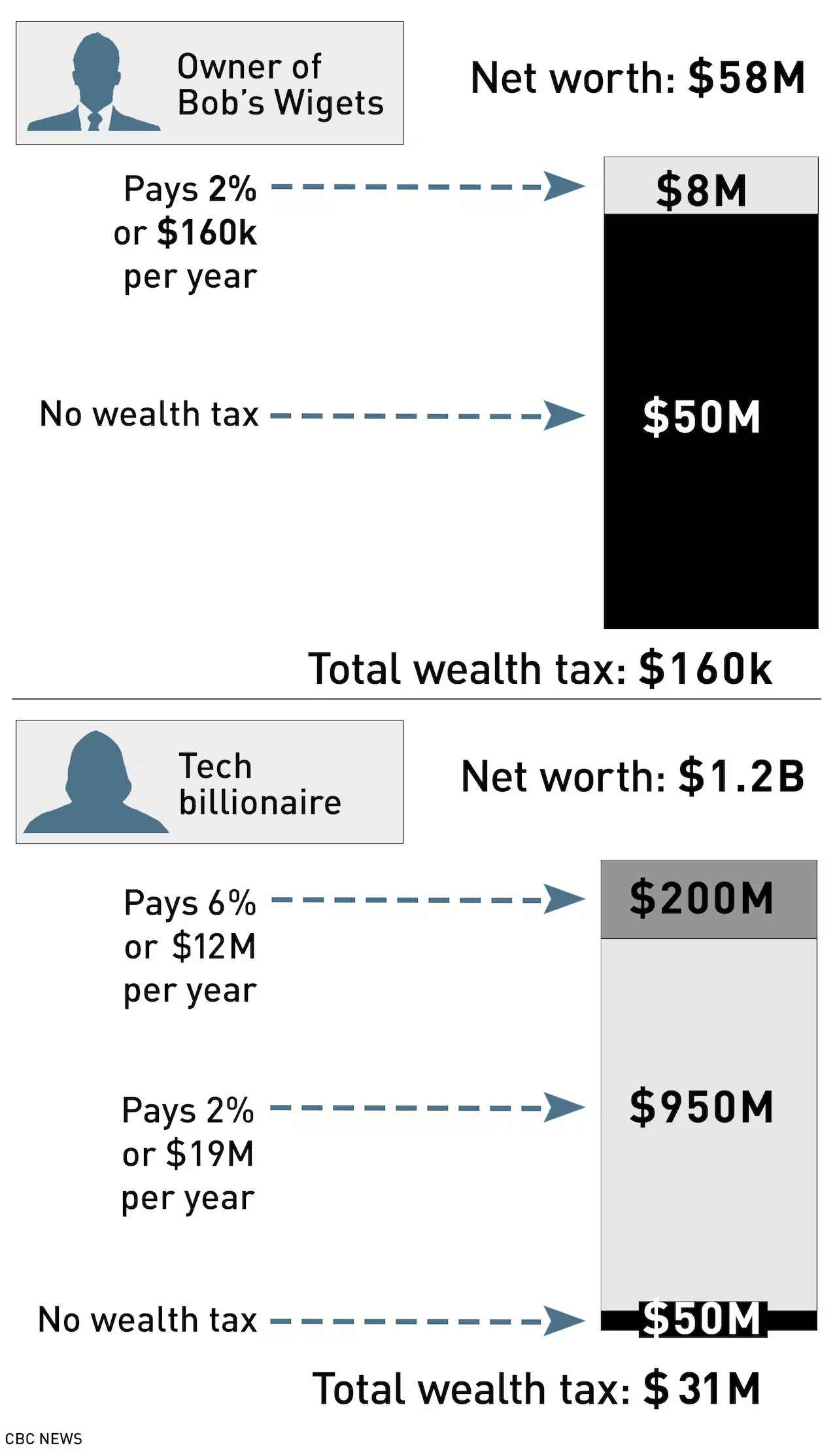
So what are some possible policies we could adopt to help stopgap this? I would start with the Elizabeth Warren Wealth Tax.
This would tax households with net worth of at least $50 at 2%, or 2 pennies for every dollar, and 6% for every dollar above $1 billion. This would affect roughly the top 75,000 households in this country. This would raise $3.75 trillion over 10 years, or $375 billion each year.
We also have Bernie Sanders proposal for a tax on Wall Street speculation. A 0.5% tax on stocks, 0.1% tax on bonds, and a .005% tax on the notional value of all derivative trades. A trade of $1000 in stock would net a $5 tax, this is estimated to raise $2.2 trillion over 10 years or $220 billion a year.
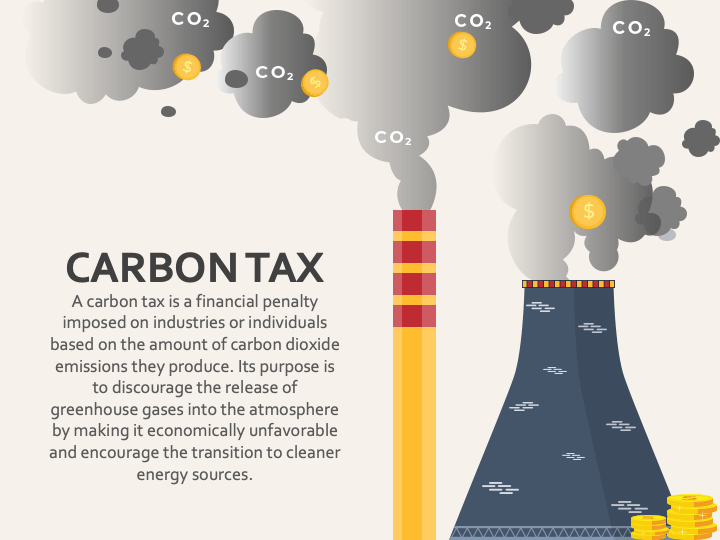
One major tax I would love to see implemented is a carbon tax. There are numerous proposals and ways to do this, I am fond of the $25 per metric ton of Co2 emissions, with a 5% yearly increase plus inflation. Analysis shows this could raise $100 billion a year, while also lowering emissions.
Which sounds like a massive two for one if you ask me.
There is also the possibility of a VAT tax. Or a tax added at each stage of production in which value is added. Which at a 5% rate could raise over $200 billion in the initial year, and northwards of $300 billion annually.
Just for the sake of modest estimates, lets' go with $200 billion annually raised.
Another issue I would fix is the fact we now only have 6 income brackets for taxation, topping out at 37%. For reference, in 1958 we had 24 brackets with 19 being above 35%.
With this, 14% of income tax revenue came from the brackets above 39.5%, and 6% from those above 50%. The Tax Policy Center did an analysis for 2007 and showed just increasing the 35% bracket to 49% this would raise $78 billion that year.
As we don’t have more recent or long term analysis, we will work with this number as the annual revenue.
Now just for fun, I know this is about taxes, but we’ve made it this far, we might as well talk about some spending too. Truthfully when we talk about fixing the debt, some level of spending will have to be cut, but showing your hand tax forward is important for a few reasons.
To establish how realistic this is without touching entitlements, that is Medicare, Medicaid, Social Security, Veteran Benefits, I mean the list goes on. I repeat, we do not have to take services or benefits from anybody.
The real conversation and difference is whether you think more changes should be made to our revenue or our spending, and I think the answer is clear.
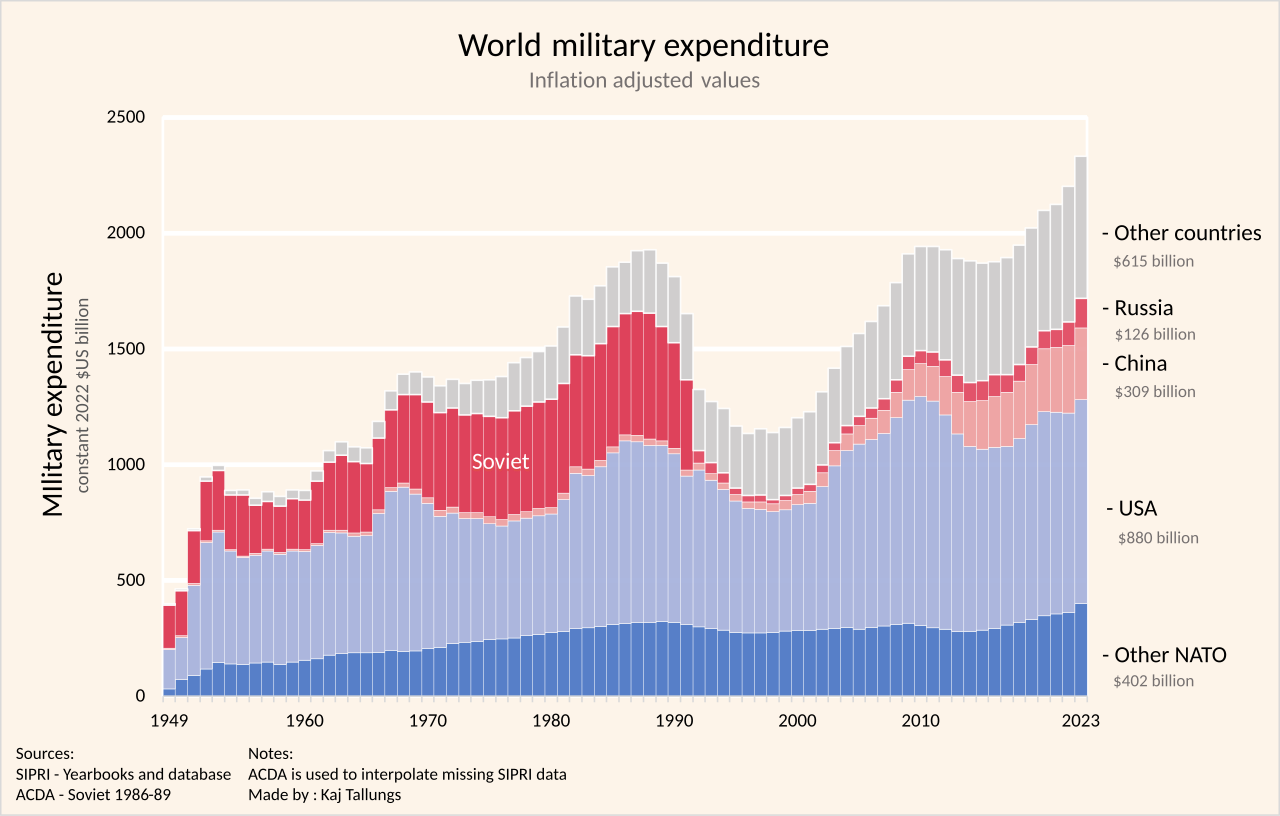
The CBO has outlined realistic ways we could reduce this budget by about $118 billion a year, while keeping the composition of our military the same.
These would represent very practical machinery reductions, and putting more an emphasis on allies for active combat forces as opposed to the upkeep this incurs on us. And no, it’s not the “woke” sort of “no more military” sort of mantra conservatives are foaming at the mouth to paint democrats with. These measures already receive some bipartisan support.
All of these policies would leave us with a $314 billion surplus, with conservative estimates of the potential revenue of each tax. This is without taxing the wealthy into poverty, without radically upending capitalism, or without cutting those crucial social safety net programs.
And it would leave us with a clean slate to then decide what programs we want going forward, and which costs will be truly worth it.